A DAY WITH
VAPE SENSE.
What VapeSense looks like in a real building: where the sensors go, who gets the alert, and what gets quietly ignored.Illustrative scenarios based on how VapeSense works — not customer results.
A secondary school with three toilet blocks
One hub in the IT office. A sensor in each pupil toilet block, both changing rooms and the main stairwell.
The schedule switches every sensor on for the school day. Teachers on duty have the dashboard installed as an app on their phones.
Before PE, a cloud of body spray fills the boys’ changing room. VapeSense recognises it’s only body spray and ignores it. Nobody’s phone buzzes.
A vape cloud appears in the first-floor toilets. Within a minute, the duty teacher gets a push alert: “Toilets 1F — Vape — High”.
The head of year reviews the week’s event history and sees most events cluster around break in one block. Supervision is adjusted.
Sensors rest for the evening — and stay idle through half-term.
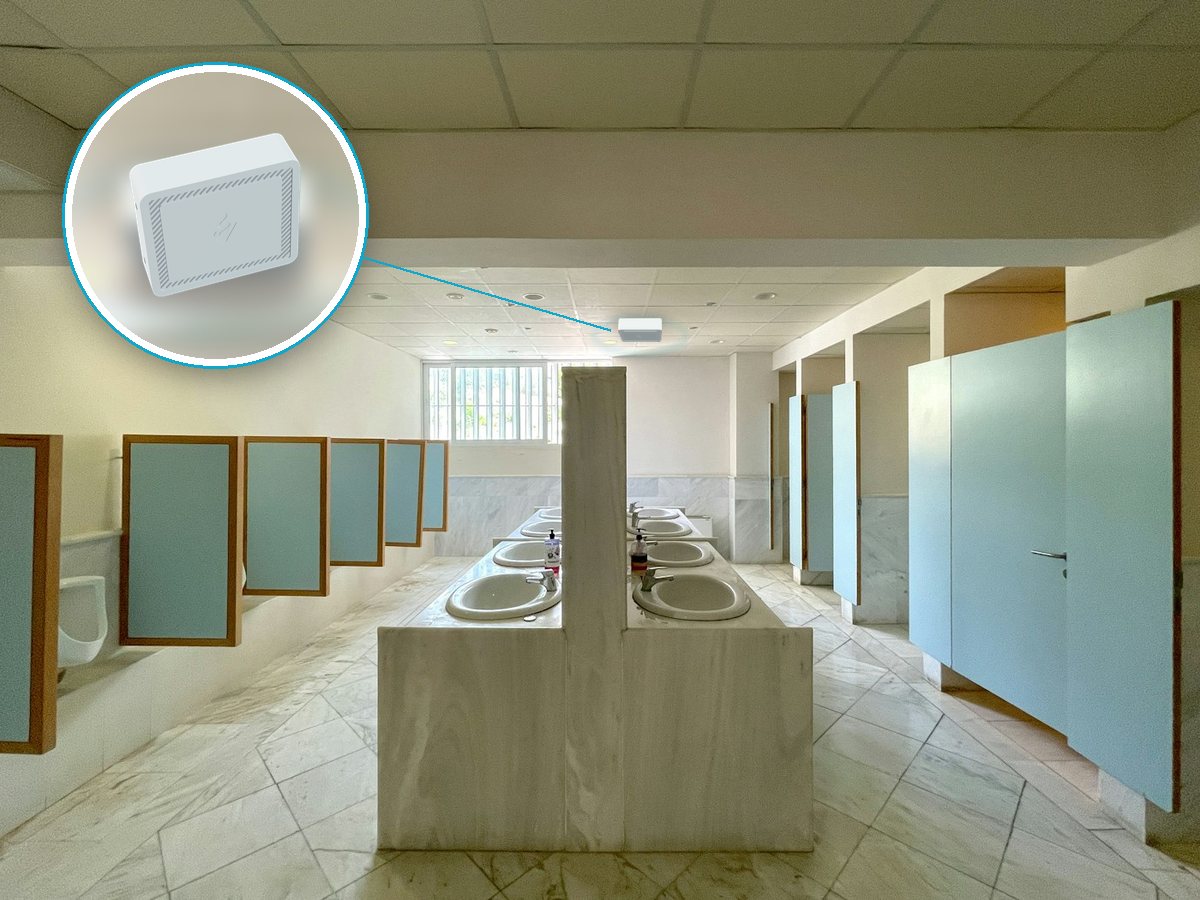
- Teachers get view-only access; IT manages configuration
- Schedule matches the school day and holidays
- Every event logged with room, time and severity
A hospital ward with patient washrooms
A standalone unit in the ward’s most problematic patient washroom as a pilot, then sensors on a hub across the floor.
The pilot unit goes in on the ceiling, away from the shower. Shower steam is recognised and blocked from day one.
A smoking event triggers an alert reported as smoke, not vape, so the nurse in charge knows exactly what to expect.
With confidence in the alerts, the trust adds sensors to the remaining washrooms and moves to a hub.
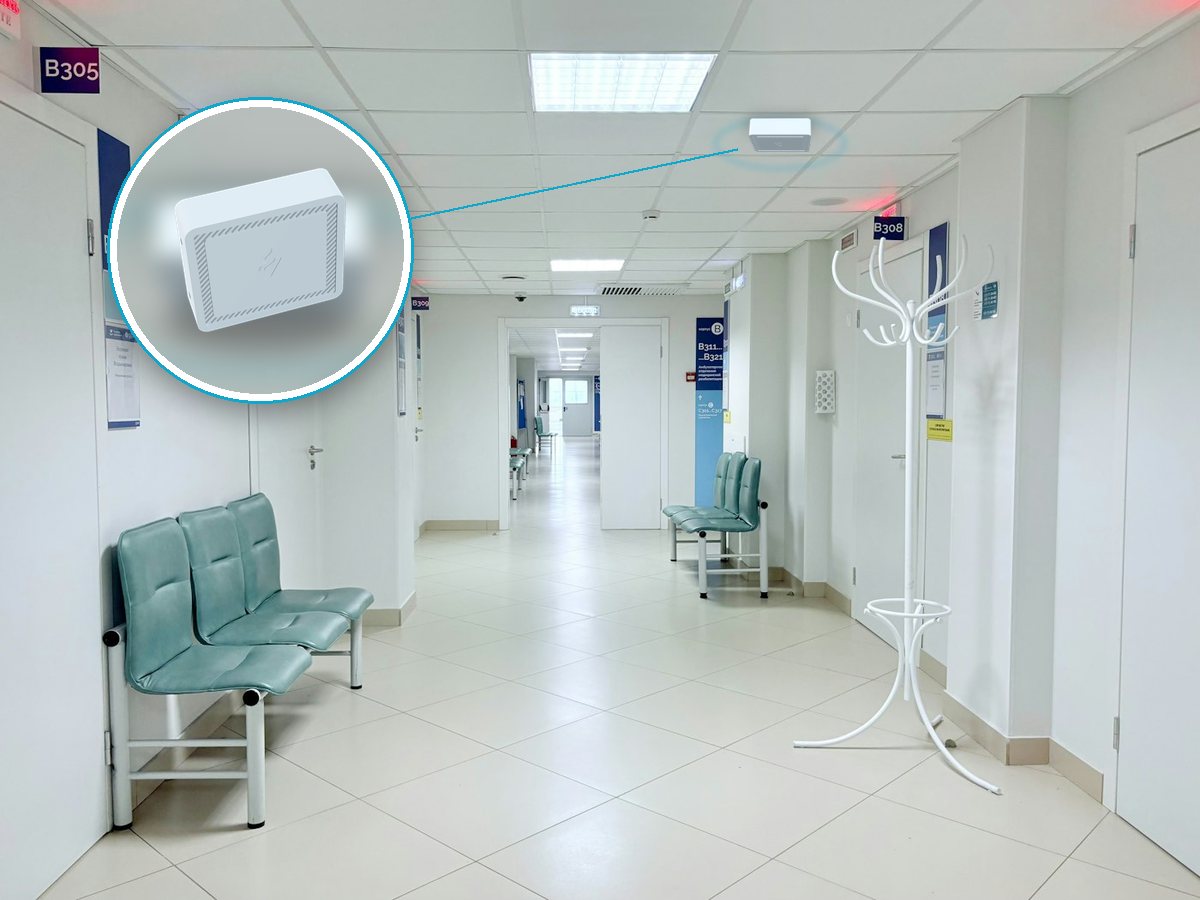
- Air only — appropriate for patient washrooms
- Smoke reported separately from vape
- Data stays on the hospital network
A hotel protecting its non-smoking rooms
Sensors in guest rooms on the floors with the most smoke complaints, reporting to a hub behind reception.
A guest uses hairspray and takes a hot shower. Both are blocked — no alert, no knock on the door.
Someone vapes in room 412. The duty manager gets an alert with the room and time, and housekeeping is ready before the next guest arrives.
The event history provides a timestamped record of what happened and when.
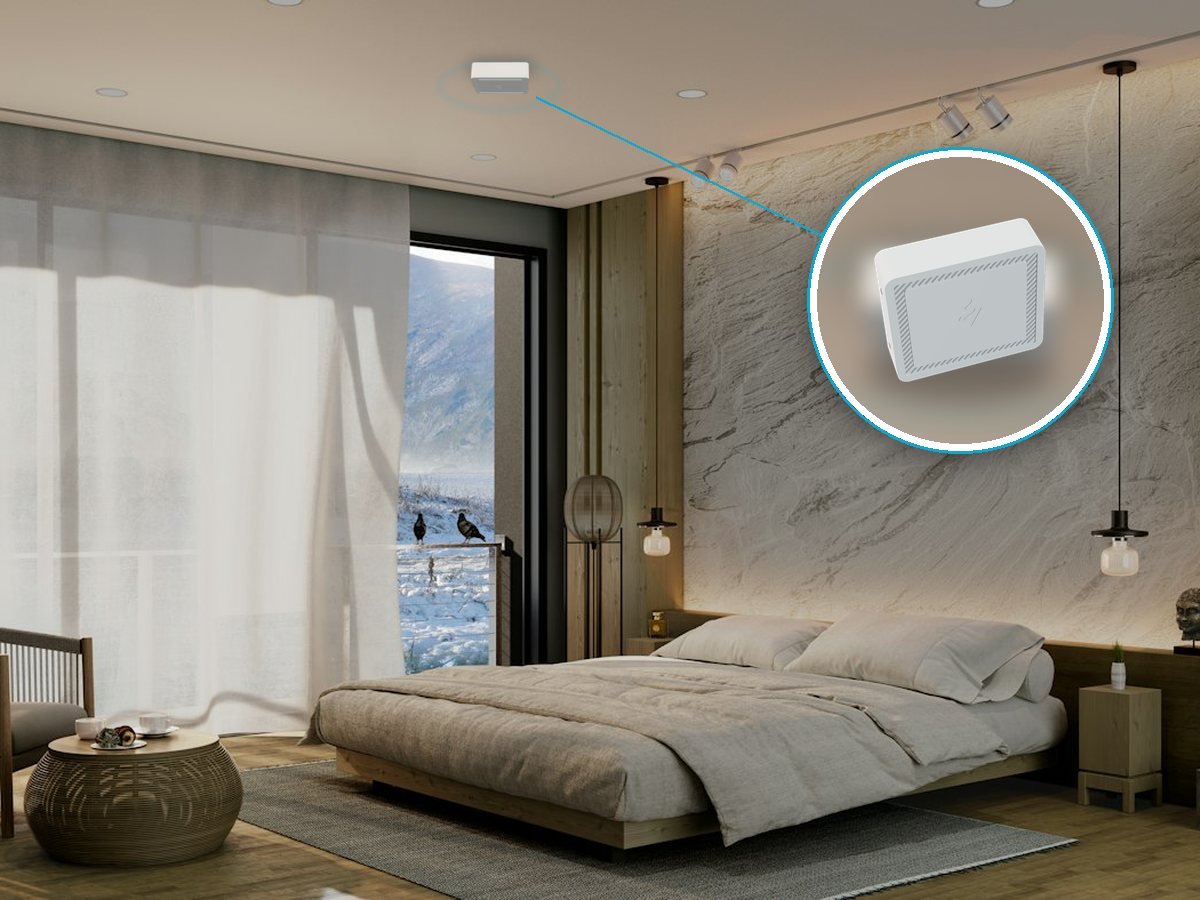
- Hairspray and steam blocked
- Alerts to the duty manager’s phone
- Tamper alert if a unit is opened
A council managing several public buildings
Sensors in public restrooms across a library, a leisure centre and civic offices, managed centrally.
Each sensor finds the hub on the network and enrols itself. The estates team names every room in the dashboard.
Alerts go to the on-site staff for each building, while the estates team sees everything in one feed through secure remote access.
A software update is rolled out to every sensor from one screen — with automatic rollback if anything fails.
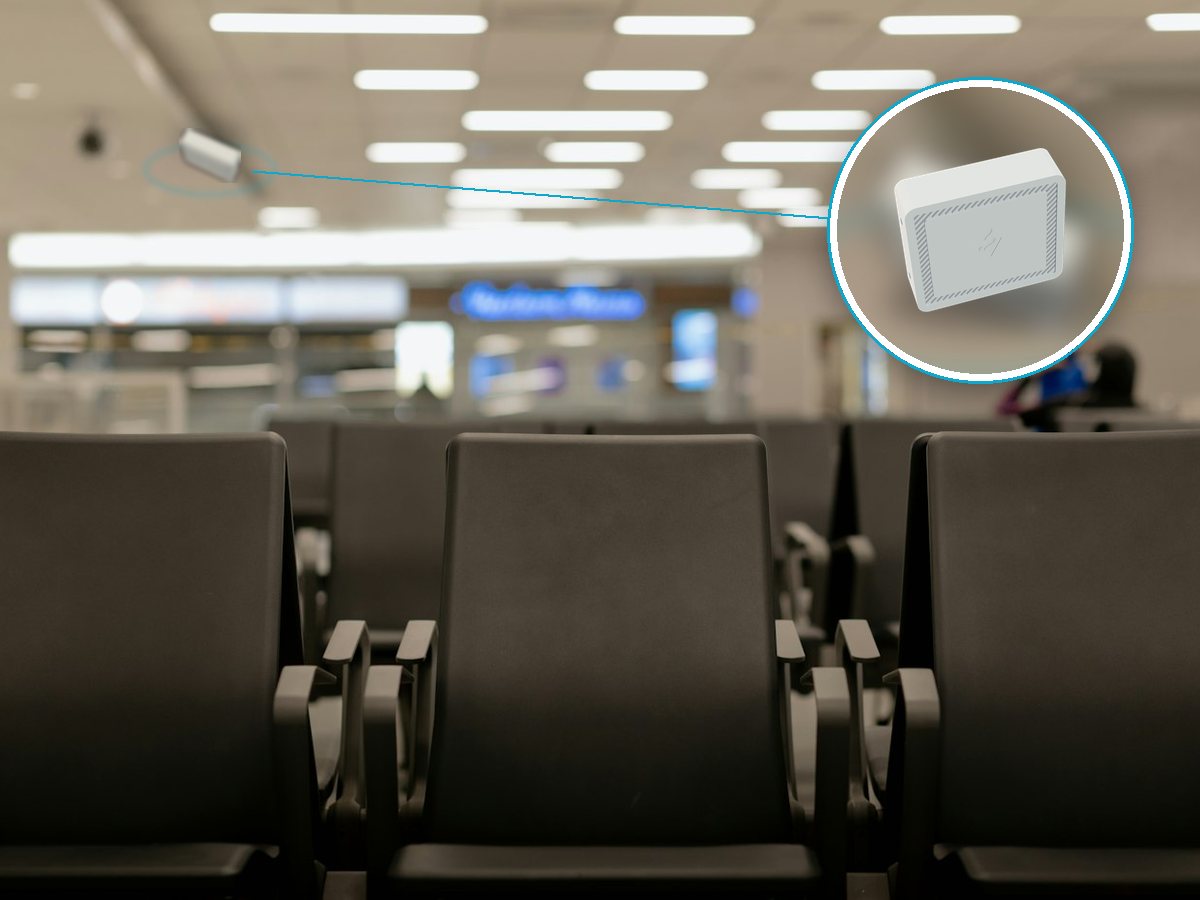
- One dashboard for the whole estate
- Secure remote access from anywhere
- CSV export for reporting
YOUR BUILDING
NEXT.
Tell us about your rooms and your team. We’ll map out what your own deployment would look like.