- Vaping concentrates where supervision can’t go: toilets, changing rooms and stairwells.
- Cameras are off the table in those spaces — air sensing is not.
- What staff need is a timely, trustworthy alert, not more corridor patrols.
- False alarms destroy trust faster than missed events. Choose a detector that blocks them.
Ask any head of year where vaping happens and you will get the same answer: the toilets. Then the changing rooms. Then the stairwell nobody walks past between lessons. These are exactly the spaces where staff can’t stand guard and where cameras are rightly prohibited.
The result is a familiar loop. A pupil vapes, the cloud fades in minutes, and by the time someone reports a smell the room is empty. There is nothing to act on and nothing to record — only frustration for staff and a growing sense among pupils that the rules aren’t real.
Why the usual fixes fall short
- Patrols pull staff away from teaching and pastoral work, and pupils simply learn the timetable.
- Locking toilets during lessons creates safeguarding and dignity problems of its own.
- Cameras cannot legally or ethically be placed where vaping actually happens.
- Cheap “vape alarms” that trigger on body spray are quickly ignored — or unplugged.
Detect the air, not the person
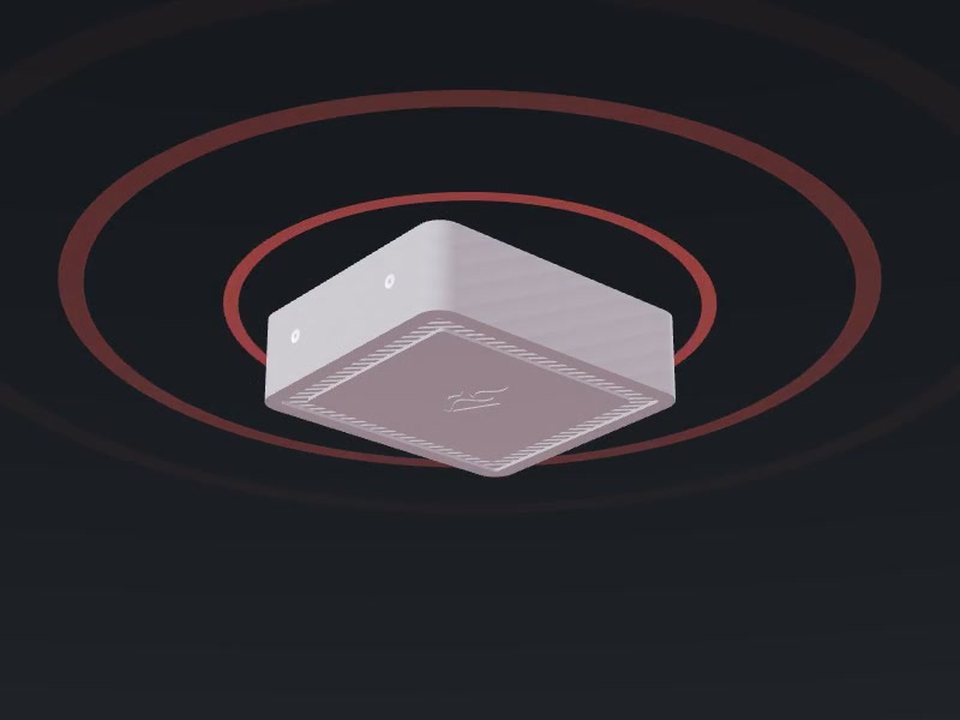
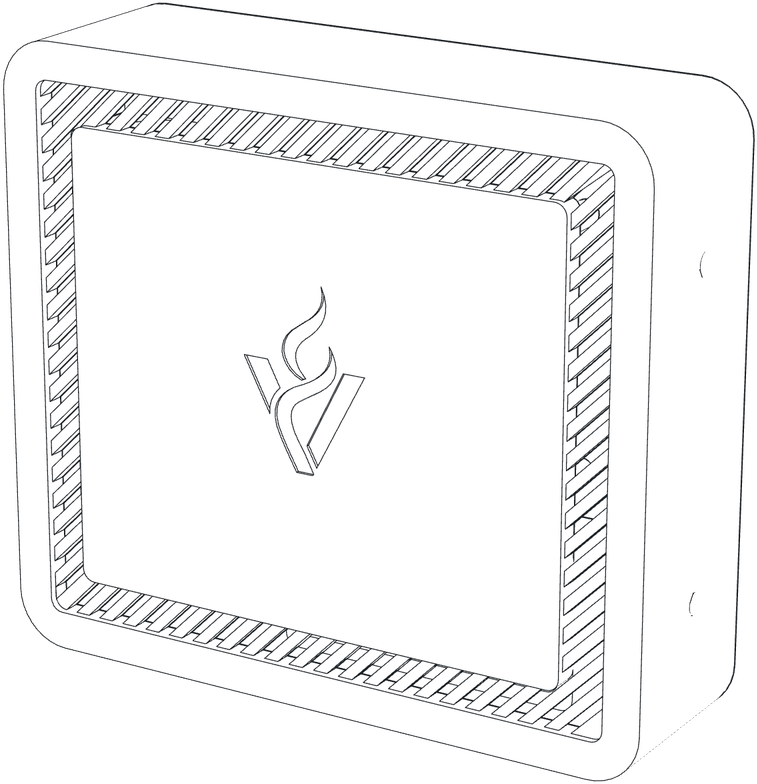
Vaping changes the air in a room, and that is something a sensor can notice without seeing or hearing anyone. VapeSense reads the air in the room — and nothing else.
No camera. No microphone. Just the alert that matters.
Because it only reads air, it can be mounted on the ceiling of a pupil toilet or changing room without capturing anything that identifies a child. When a real vape or smoke cloud is confirmed, staff receive a push notification or email with the location and severity — typically in under 60 seconds.
The part most schools underestimate: false alarms
The first week with a detector that cries wolf is the last week anyone takes it seriously. Deodorant before PE, steam from a hand dryer area, dust from a cleaner’s trolley — a basic particle sensor sees all of these as “a cloud”.
VapeSense is built to tell these apart from the real thing. Sprays, steam and dust are recognised and ignored, so the only alerts that reach staff are vaping, smoking or someone tampering with the sensor.
See exactly what VapeSense alerts on — and what it blocks. How it works →
Making alerts useful on the ground
- Schedule active hours to match the school day, and rest sensors over weekends and holidays.
- Give teachers a view-only login and keep configuration with IT through role-based access.
- Use the event history to spot patterns — which block, which period — and target supervision.
- Pair detection with education and support. A sensor tells you when; your pastoral team decides what next.
Start with one block
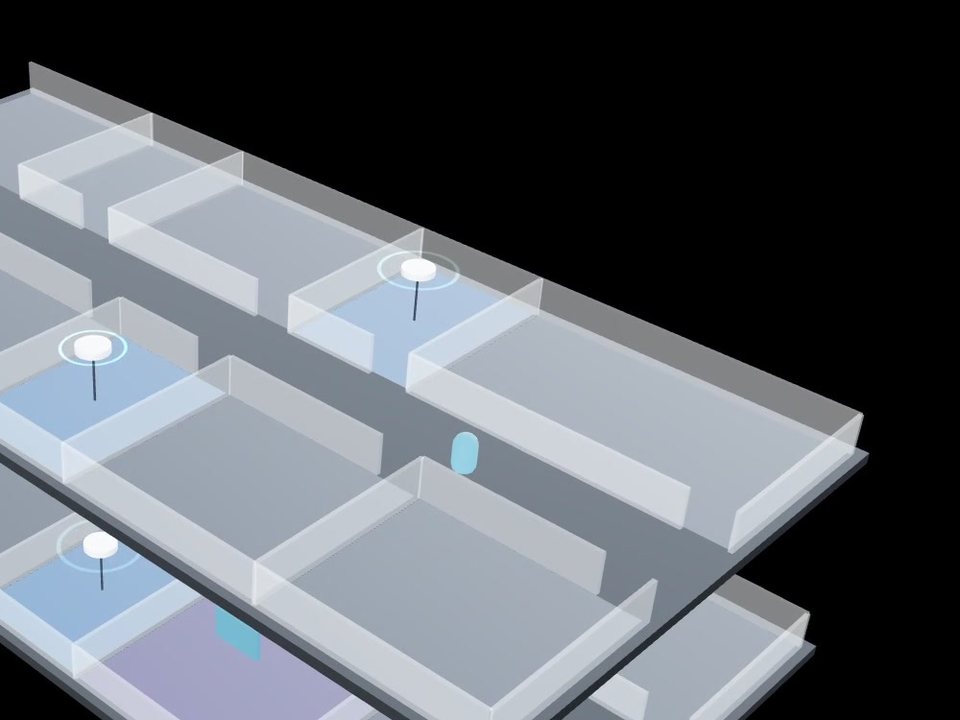
Most schools begin with a standalone unit in the toilet block that causes the most concern. Once the team trusts the alerts, adding sensors and a central hub brings every room into one dashboard, one alert feed and one set of staff logins.
Want to try it in your hardest-to-supervise space? Book a demo →